★tropical rainforest★
made by arianna dunkley
ready, set, explore!
what would you like to explore first?
(click a picture)
CLIMATE
LIMITING FACTORS
HUMAN IMPACT
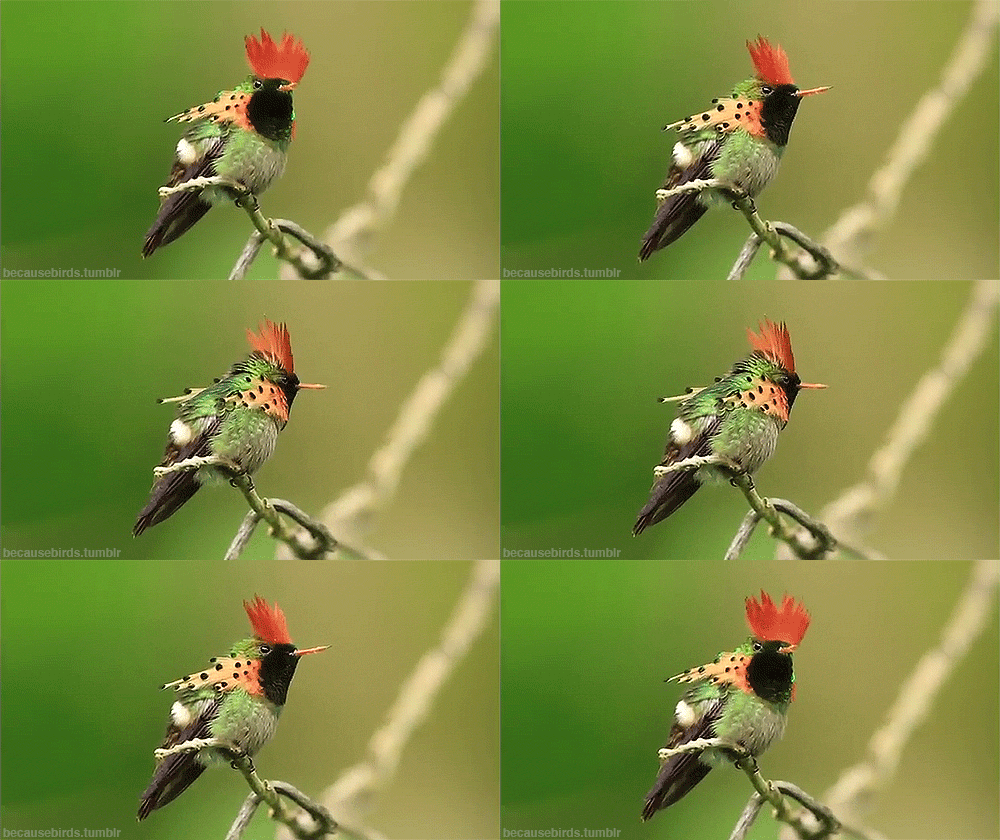
FOOD WEB/ ENERGY PYRAMID
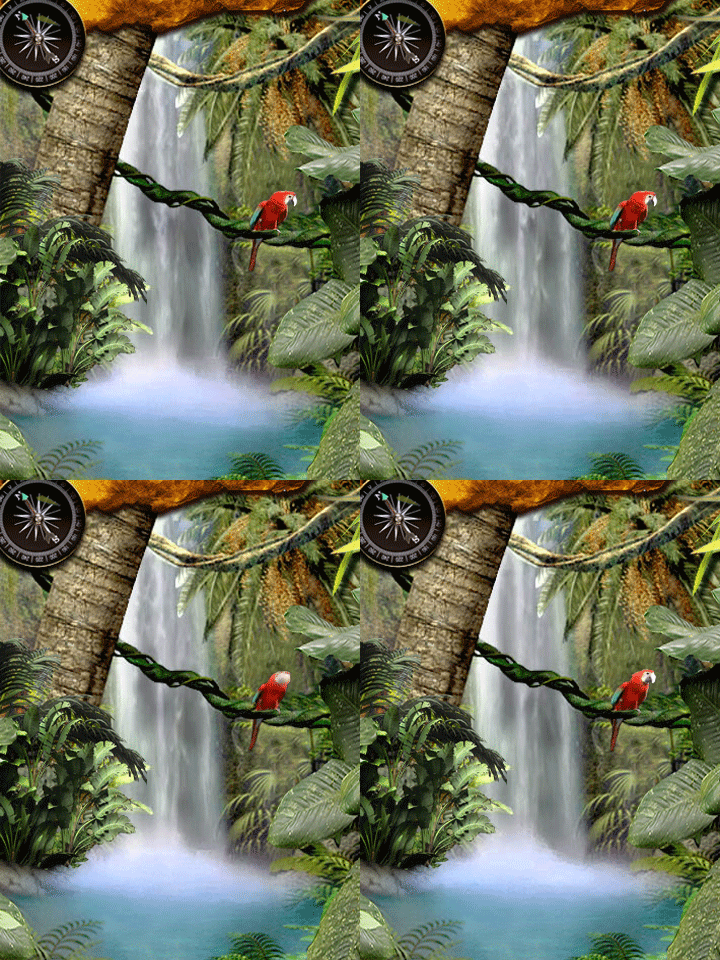
SYMBIOSIS/
COMPETITION
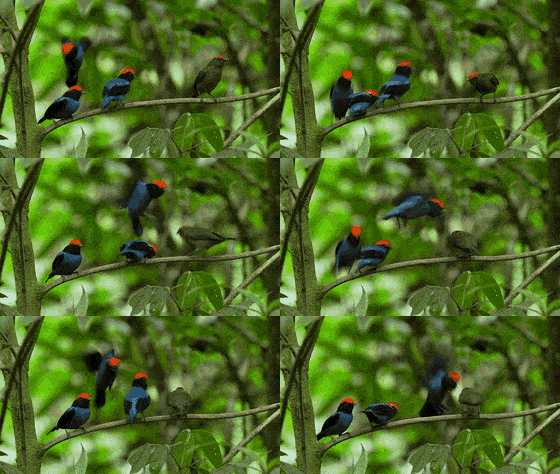
ANIMALS &
PLANTS
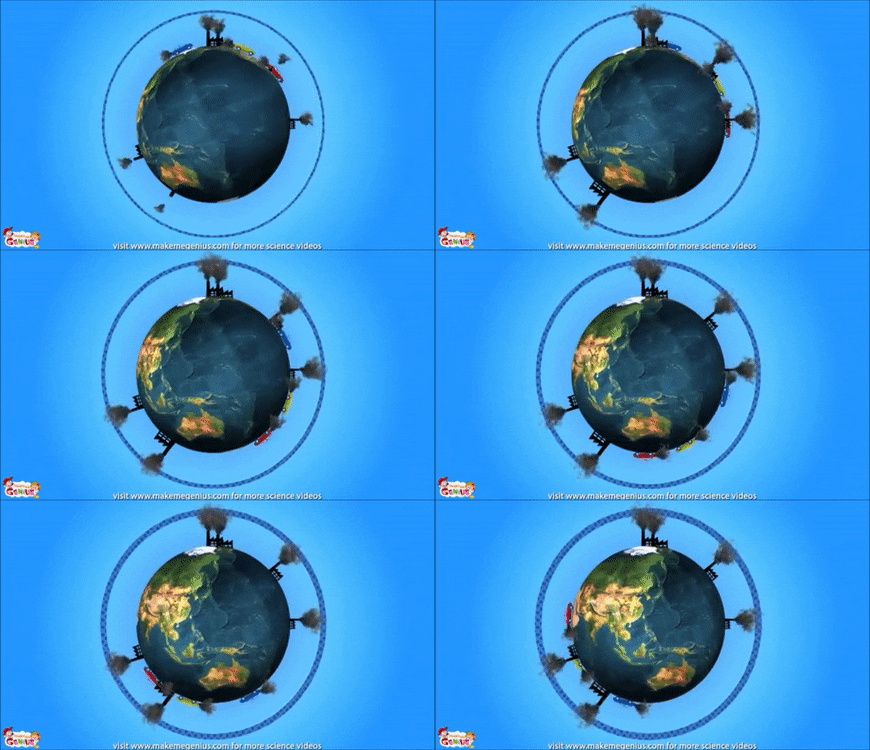
CARBON &
NITROGEN CYCLES
SOURCES
USED
☁ climate ☀
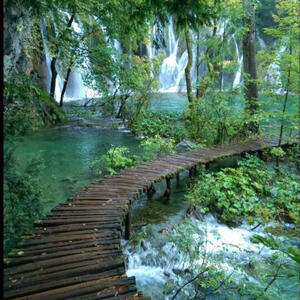
Tropical rainforest climate is largely humid due to warm summers and cool winters. The average temperature is approximately 77 degrees Fahrenheit, and it's almost the same throughout the year.
☀
The climate in a rainforest is always hot and wet in most parts of the equatorial belt, but in regions to its north and south seasonal rainfall is experienced. During the summer months of the Northern Hemisphere—June to August—weather systems shift northward, bringing lots of rain to regions in the northern parts of the tropics, as do the monsoon rains of India and Myanmar.
❄
Tropical areas, such as the Amazon rainforest, don't have seasons like spring, summer, autumn and winter. Instead, seasons in the Amazon are divided into the dry season and the wet season, each lasting about six months. The temperature in a rain forest rarely gets higher than 93 °F (34 °C) or drops below 68 °F (20 °C). Average humidity is between 77 and 88%.
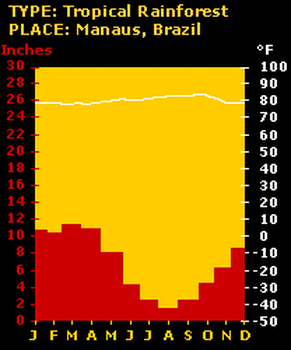
Tropical rainforests receive from 60 to 160 inches of precipitation that is fairly evenly distributed throughout the year. On the climograph, the letters at the bottom represent months and the red bar graph shows inches of precipitation per month (measured from the left). The white line at the top shows average temperature each month (measured from the right, in Fahrenheit) and it is clear that it is quite constant all year round.
ϟ symbiosis/competition ϟ
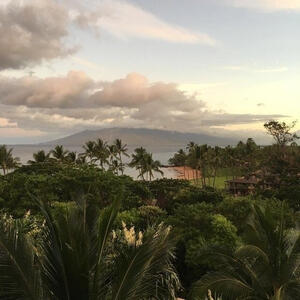
Symbiosis is the interaction between two different species of plant or animals that live together.
MUTUALISM
symbiosis that is beneficial to both organisms involved.
EXAMPLES:
1. Trees would provide the Capuchin monkeys' food and the monkeys provide pollination (pollen would get on their face as they'd move place to place).
COMMENSALISM
an association between two organisms in which one benefits and the other derives neither benefit nor harm.
EXAMPLES:
1. Frogs benefit by using the leaves of the vermiliad as shelter from sun and rain. The vermiliad is unaffected by the frogs.
PARASITISM
the parasite, lives on or in another organism, the host, causing it some harm, and is adapted structurally to this way of life.
EXAMPLES:
1. Rafflesia arnoldii grows on the floor of the tropical rainforest and is parasitic to rainforest lianas, or vines.
COMPETITION
Competition: this relationship is between two or more organisms fighting for the same resources.
EXAMPLE:
1. An example of competition in the tropical rainforest would be between all the plants under the canopy layer. The organisms under the tree canopy do not receive a lot of sunlight, so they have to compete with each other. The plants have learned to adapt (their short height) because of competition between plants.
2. Certain types of bats and frogs want to eat the same fruit and insects that birds love, but if they come out to eat during the day, they risk becoming prey for those birds and larger predators such as leopards. Instead, they come out at night and eat the fresh bugs and nourishment that the birds didn’t finish during the day.
3. Instead of poisoning its prey, anacondas use their jaws to snag the unlucky animal and then wrap their strong body around it to strangle it to death. In this way, the anaconda can steal large prey such as crocodiles that big cats have a tough time killing.
❖ limiting factors ❖
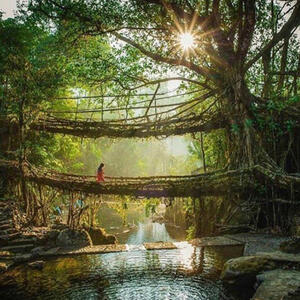
DENSITY INDEPENDENT FACTORS
Density-independent factors affect per capita growth rate independent of population density.
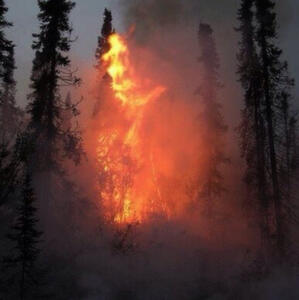
1. Forest Fires: The fire will kill any unlucky organisms that are present, regardless of population size/the amount of organisms around.
2. Both sunlight and soil are density-independent limiting factors, meaning their effects on the species are not dependent on the density of a said species.
DENSITY DEPENDENT FACTORS
Density-dependent limiting factors cause a population's per capita growth rate to change—typically, to drop—with increasing population density.
1. Competition within the population. When a population reaches a high density, there are more organisms trying to use the same quantity of resources. This can lead to competition for food, water, shelter, mates, light, and other resources needed for survival and reproduction.
2. Predation: Higher-density populations may attract predators who wouldn’t bother with a sparser population. When these predators eat individuals from the population, they decrease its numbers but may increase their own.
⌹ animals & plants ⌹
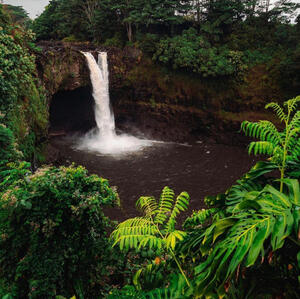
ANIMALS
1. POISON DART FROG - The poison dart from excretes poison through its skin and its bright colour warns potential predators against eating it. Some of the frogs in this family are not poisonous however, they have adapted to their environment by copying the appearance of the poisonous types.
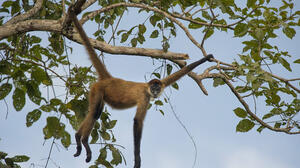
2. SPIDER MONKEY - The monkey can hang by its tail, swing by it, pick fruit with it and even throw things with it.
3. GECKO - Geckos have developed large, flattened toe pads that have sticky scales on their undersides. These help them grip onto the smooth tree trunks that are commonly found in the rainforest allowing them to climb vertically up trees.
PLANTS
1. LIANAS - These are woody vines that have roots in the ground but climb up the trees to reach the sunlight. Their leaves and flowers grow in the canopy.
2. TREE TRUNKS - These are tall and thin to allow trees to reach the sunlight. The bark on these trees is smooth to allow water to flow down to the roots easily.
3. EPIPHYTES - these are plants which live on the branches of trees high up in the canopy. They get their nutrients from the air and water, not from the soil.
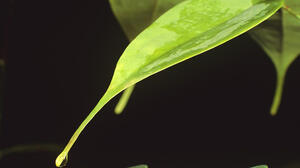
4. DRIP TIPS - Plants have leaves with pointy tips. This allows water to run off the leaves quickly without damaging or breaking them.
❏ human impact ❏
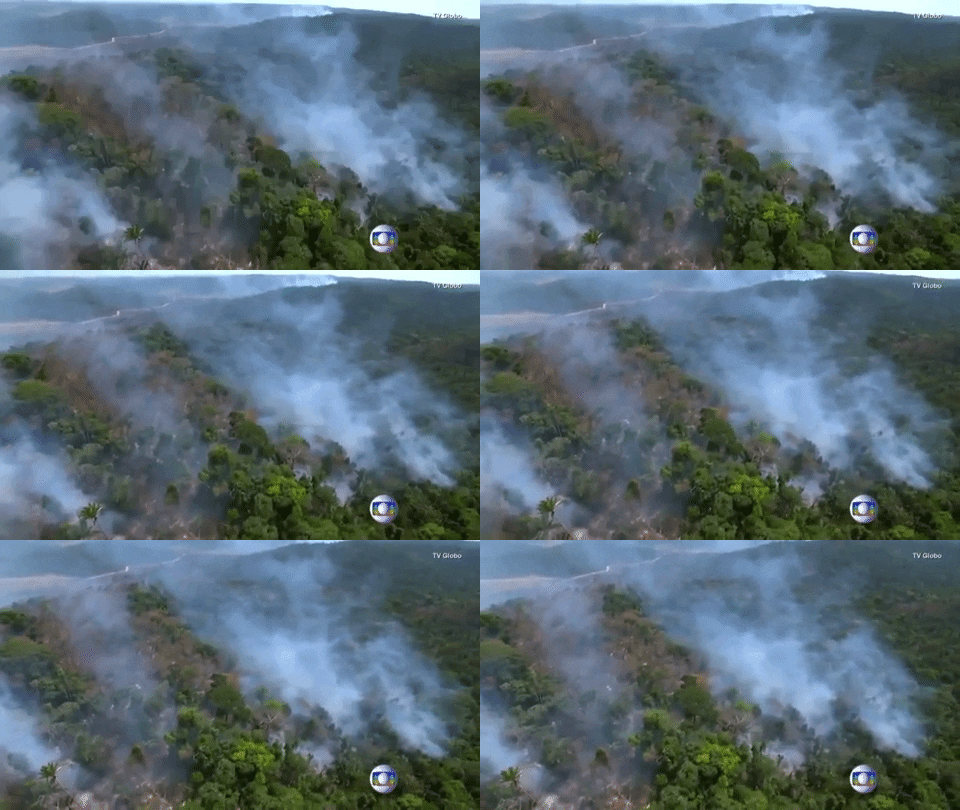
One major human impact on the Tropical Rainforest is deforestation. Scientists estimate that more than half of all the world's plant and animal species live in tropical rain forests. Tropical rainforests produce 40% of Earth's oxygen. However, these lively areas are occasionally destroyed to build up new cities. For example, in the Amazon around 17% of the forest has been lost in the last 50 years, mostly due to forest conversion for cattle ranching. Deforestation in this region is particularly rampant near more populated areas, roads and rivers, but even remote areas have been encroached upon when valuable mahogany, gold, and oil are discovered. Without tropical rainforests, it would be harder to breathe, and many animals and plants would be extinct.
▣ carbon & nitrogen cycles ▣

CARBON CYCLE
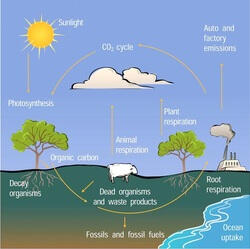
Forests also play a critical role in mitigating climate change because they act as a carbon sink—soaking up carbon dioxide that would otherwise be free in the atmosphere and contribute to ongoing changes in climate patterns.
When an animal/matter is decomposing, it releases carbon dioxide, which can then be used for photosynthesis. It also forms fossil fuels. During the process of photosynthesis, plants take in water, carbon dioxide, and sunlight. They then use that to produce sugars and energy for themselves. They also release oxygen in this process.
NITROGEN CYCLE
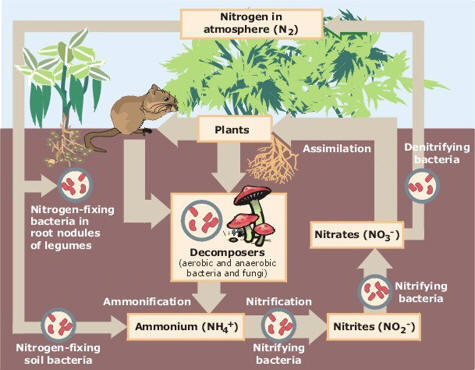
Nitrogen is an essential nutritional element for all plants and animals. There is a large reservoir of nitrogen in the air, but in a chemical form that is unavailable to plants. Therefore, it needs to be "fixed" into usable form as nitrates or nitrites by soil microorganisms. Since the rainforest is so big, nitrogen is a significant ingredient in the global nitrogen cycle. When a plant dies, it gives off nitrogen into the soil and water - or when herbivores, which have consumed plants, die or excrete nitrogen compounds. So, this release nitrogen goes through nitrogen fixation when absorbed my bacteria and creates nitrates or nitrites. This is then absorbed through the plants and eaten by herbivores and carnivores.
░ food web/ energy pyramid ░
FOOD WEB
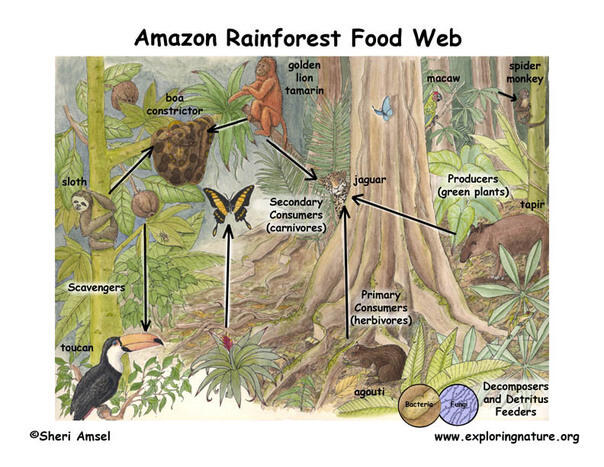
The Producers - the trees, shrubs, bromeliads, etc.
The Primary Consumers – the macaws, monkeys, agouti, tapir, butterflies, sloths, toucans.
The Secondary Consumers – the jaguar and boa constrictor.
The Scavengers – the butterflies and other insects.
The Decomposers or Detrivores – mushrooms, insects and microorganisms.
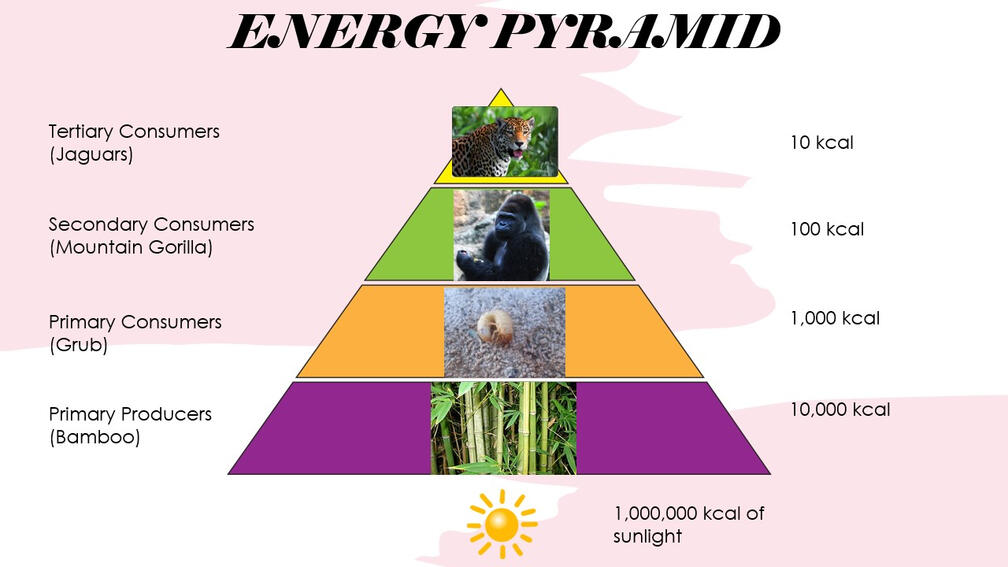
ENERGY PYRAMID
At the beginning of the energy pyramid, 100% of the energy is available at the first trophic level. The total energy available at the highest trophic level is 0.1%. There is only a very small portion of energy that passes though any given trophic level that actually remains stored in that organism. The rest is lost to cellular respiration.
◈ sources used ◈